Making room for GPU clusters
Clearing legacy racks and sanitizing storage ahead of an AI hardware deployment.

By Author Name
Title, Coretek 360
Placeholder bio. One line on the writer's experience or credentials goes here.
AI infrastructurePublished 4 min read
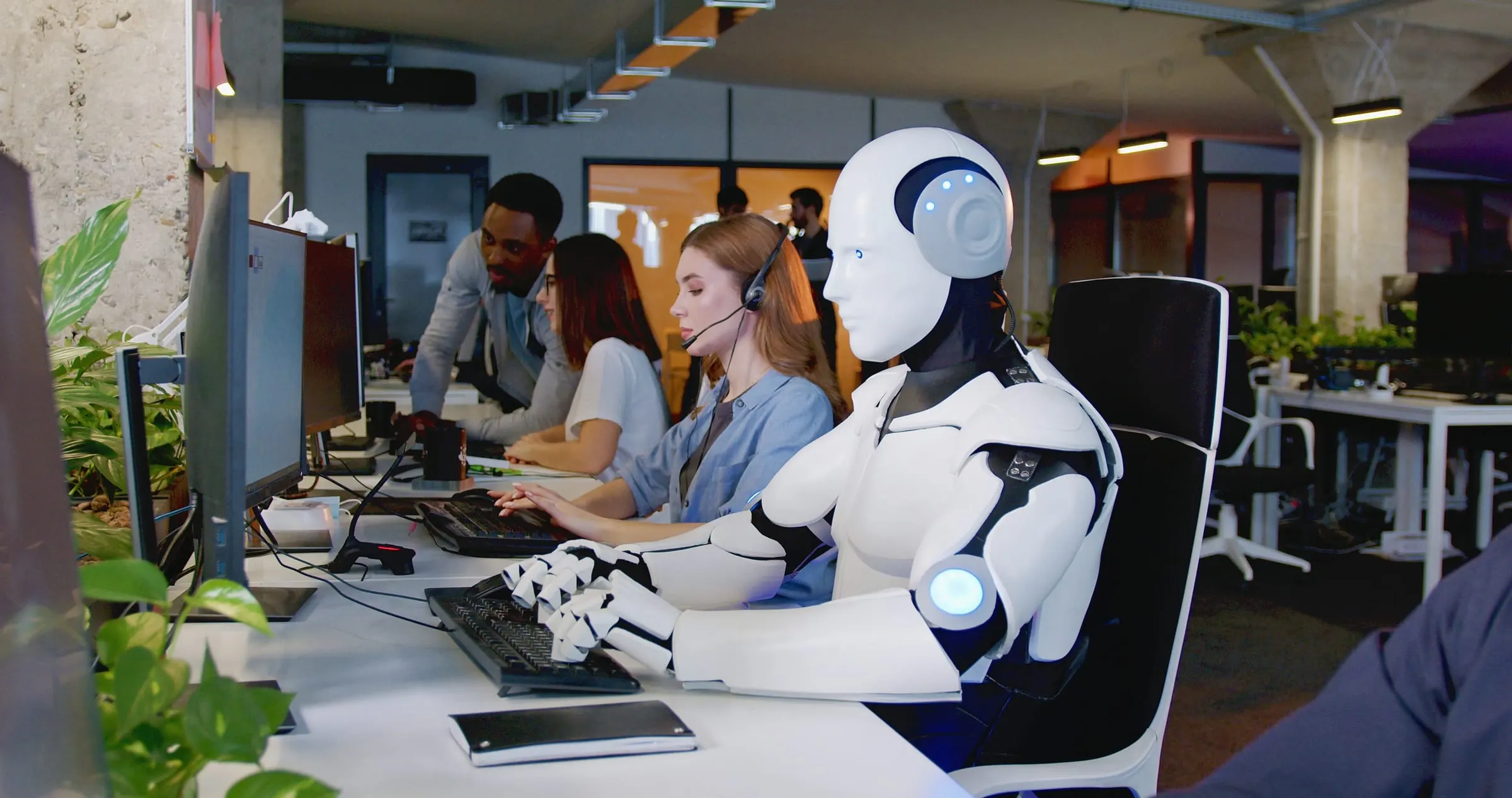
An organization deploying AI hardware needed the floor space, power, and cooling its legacy racks were using.
Those racks had to be cleared and their storage sanitized before the new deployment could begin.
How the engagement ran
Nothing was touched before its serial number was logged. From there the work followed the same path every Coretek 360 engagement does, scaled to the hardware and the sites involved.
- Pickup from the dock in tracked vehicles, under a documented chain of custody
- Every asset logged by serial number before it was handled
- Drives wiped to NIST 800-88 and verified, or shredded when media could not leave whole
- Equipment with life left tested, refurbished, and resold, with the value itemized
What the organization kept
At the end, the organization received a certificate of data destruction for every drive and a final serialized disposition report recording each asset's make, model, sanitization method, and outcome. That report is what its compliance team keeps for the next audit.
Shredding is performed in house by Coretek 360 and is not yet covered by our R2v3 certificate, which covers data sanitization, test and repair, and the downstream recycling chain. We are actively working to add it.


